Rosé
Rosé 
All Vintages
Other Vintages
Winemaker's Note
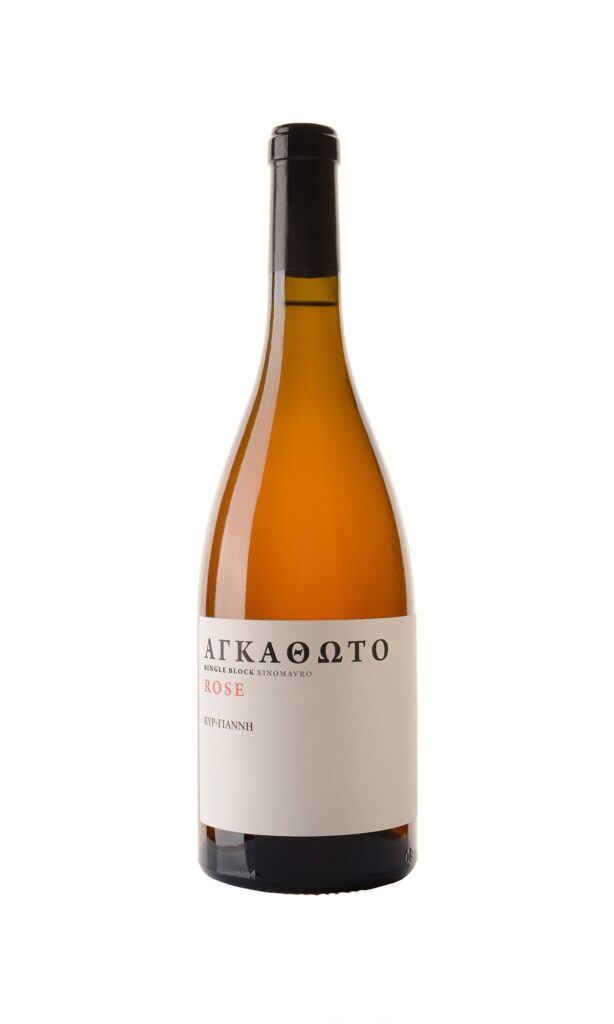
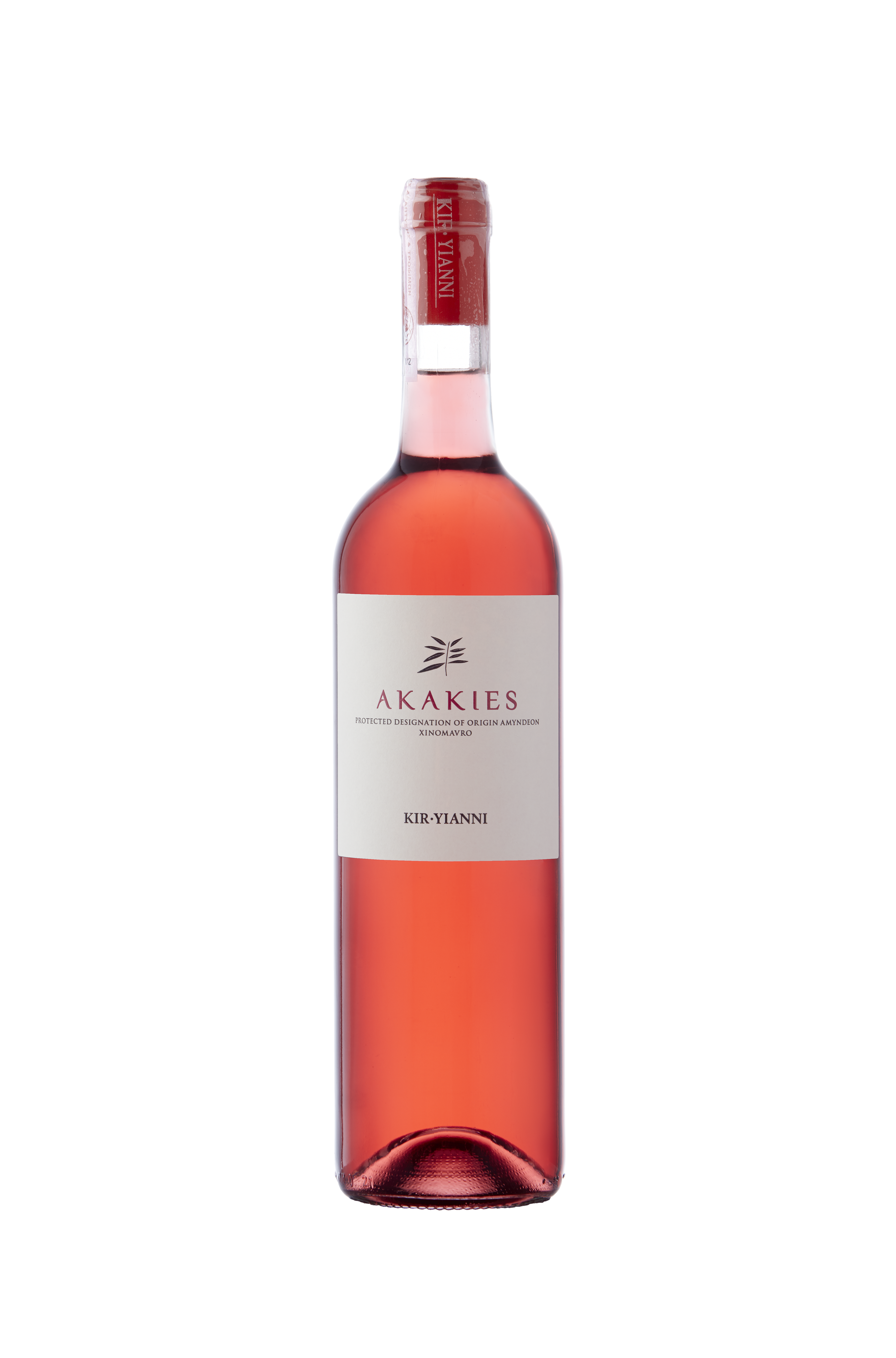
Bright, deep rosé color with light bluish highlights. The nose is intense, showing ripe strawberries, red forest fruits and delicate herbal notes. The same aromas roll into the mouth, which is round yet crisp thanks to the vibrant acidity. Delicious, persistent finish.
Varieties
Xinomavro 100%
Origin
PDO Amyndeon

Food Pairing
An excellent pair for Mediterranean dishes while the sense of tannins make it an pleasant pair for meat.
Analytical Data
The trademark of the vintage was the return to relative normality with weather conditions close to the average standards for the region throughout most of the growing season. Winter rains and snowfall allowed the vines to rest and replenished vital water reserves for the months ahead, while May was slightly cooler within an otherwise typical spring. Excellent vineyard preparation during the winter (such as the application of compost in the vineyard) helped the vines withstand the warm June. The intensely hot and dry conditions of July were moderated by night temperatures that dropped even to below 20°C, preserving balance in the vines. The typical August and the warmer September with limited rainfall, contributed to the outstanding quality of the grapes, marked by vibrant acidity, pronounced aromatics, and full phenolic ripeness. The harvest for Akakies started on 24 September 2025. A very good vintage for Xinomavro.
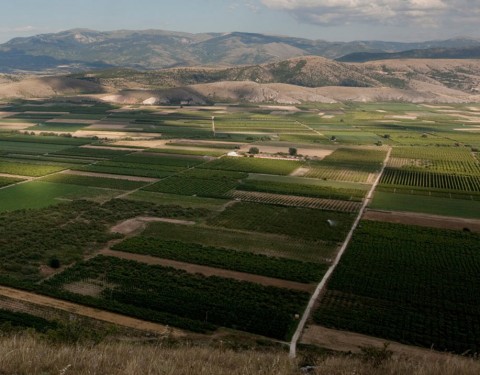
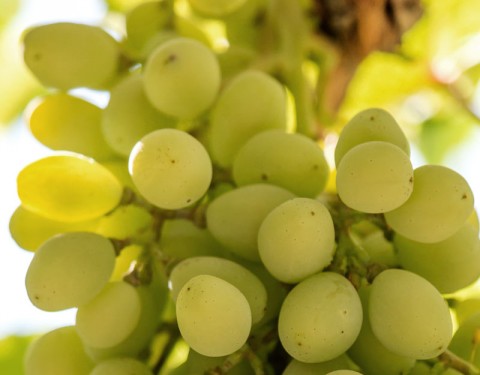
From selected parcels of Xinomavro at Agios Panteleimonas in Amyndeon, the celebrated PDO zone of Northern Greece. The grapes are grown on that distinctive plateau of poor sandy soils that exceeds 600 meters above sea level, surrounded by lakes and mountainous morphology that shape the cooler wine region of Greece. In this environment, Xinomavro shows balance and finesse in both rosé and red styles, highlighting the variety’s elegant character.
Strict grape selection on a sorting table, followed by gentle destemming. Cold pre-fermentation maceration for 24–48 hours. Alcoholic fermentation in stainless-steel tanks. The wine remains on fine lees for 3 months with periodic bâtonnage.