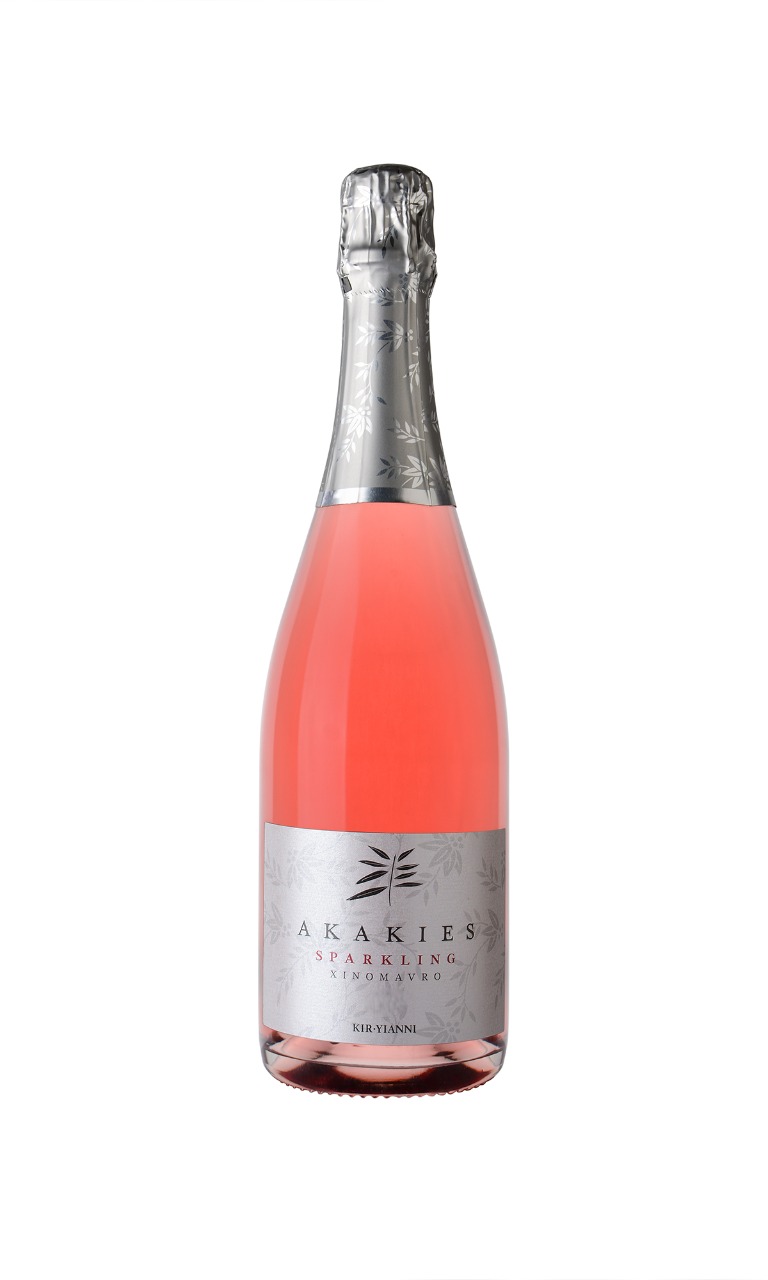
Sparkling Rosé
All Vintages
Other Vintages
Winemaker's Note
A vibrant rosé with fine, energetic bubbles. The aromatic profile is intense and inviting, featuring wild strawberry, cherry, and a touch of ripe peach. On the palate, it’s juicy and full of fresh fruit character, where vibrant acidity is beautifully balanced by a subtle sweetness. The finish is bright, fruity, and utterly satisfying.
Varieties
Xinomavro 100%
Origin
PDO Amyndeon

Food Pairing
Ideal with everyday Mediterranean dishes as well as exotic cuisine, fatty fish, on its own, at the beginning, or even at the end of a meal.
Analytical Data
The trademark of the vintage was the return to relative normality with weather conditions close to the average standards for the region throughout most of the growing season. Winter rains and snowfall allowed the vines to rest and replenished vital water reserves for the months ahead, while May was slightly cooler within an otherwise typical spring. Excellent vineyard preparation during the winter (such as the application of compost in the vineyard) helped the vines withstand the warm June. The intensely hot and dry conditions of July were moderated by night temperatures that dropped even to below 20°C, preserving balance in the vines. The typical August and the warmer September with limited rainfall, contributed to the outstanding quality of the grapes, marked by vibrant acidity, pronounced aromatics, and full phenolic ripeness. The harvest for Akakies started on 25 September 2025. A very good vintage for Xinomavro.
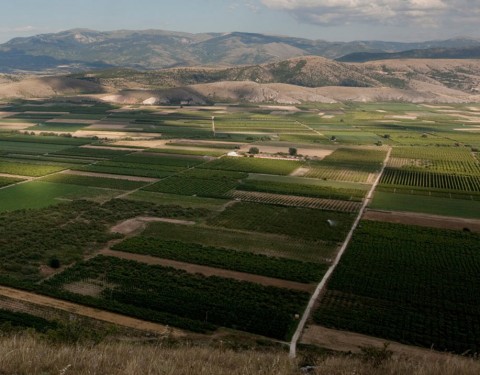
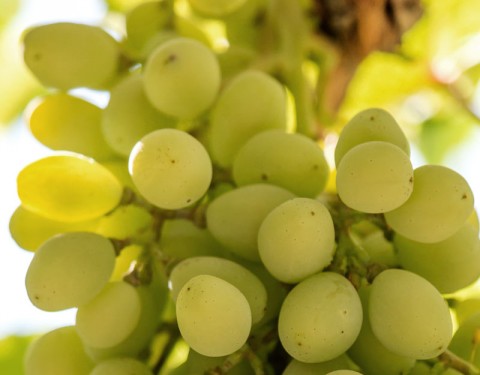
From selected parcels of Xinomavro at Agios Panteleimonas in Amyndeon, within the homonymous PDO region in Northern Greece, with the distinctive poor sandy soils and the altitude of over 600 meters above sea level. At the cooler wine region of Greece with the unique meso-climate, Xinomavro finds a heartland to display its power but most importantly its elegance. Especially for our sparkling wine, the grapes are grown mostly on small blocks nearby the lakes that are the first Xinomavros to harvest each year aimed at the harmonious threefold of high acidity, lower sugars, and phenolic ripeness.
Careful grape selection on a sorting table. The first fermentation takes place in stainless steel tanks at controlled temperatures of 16–19°C, followed by a few months of ageing on the fine lees with periodic gentle bâtonnage. The wine is then transferred to pressure tanks (autoclaves) for the second fermentation, during which carbon dioxide is naturally produced. The wine is bottled after the completion of the second fermentation.